Discover how luck influences outcomes in casino games
The Role of Luck in Casino Games
Luck is often seen as a fundamental pillar in casino games, influencing outcomes in unpredictable ways. Unlike games that require strategic thinking and skill, many casino games are governed largely by chance. For instance, in games like slots and roulette, players are confronted with outcomes that are entirely random, meaning that no matter how adept a player may be, luck plays a dominant role in determining wins and losses. This element of randomness is what keeps players engaged, as each spin of a slot machine or roll of the dice can lead to a life-changing payout, especially when using betting apps australia to place their bets more easily.
In a traditional casino setting, the excitement generated by the uncertainty of luck can significantly enhance the gaming experience. Many players believe that they can influence luck through rituals or superstitions, such as wearing lucky clothing or performing specific actions before making a bet. While these beliefs may not alter the odds, they contribute to the thrill of the game. This psychological aspect of luck is an essential component, as players often feel more optimistic and invested when they believe they have a stake in their fortune.
Moreover, the house edge in casino games is established to ensure that while players rely on luck, the casino maintains a profit. This balance between luck and probability creates an interesting dynamic for players seeking fortune. Understanding that luck cannot be controlled allows players to approach their gaming with a healthy mindset, enjoying the experience without undue pressure to succeed. Ultimately, the thrill of unpredictability, spurred by luck, is what draws many to the casino world.
Probability and Luck: A Delicate Balance
While luck contributes significantly to outcomes in casino games, the role of probability cannot be overlooked. Every game features a set of rules and odds that determine the likelihood of various outcomes. For example, in blackjack, players face decisions based on probabilities such as the odds of drawing certain cards versus the dealer’s upcard. Even though luck plays a part in each hand dealt, players can enhance their success by leveraging their understanding of these probabilities. This interplay between chance and statistical advantage makes the gaming experience more engaging and layered.
In games such as poker, luck and skill become intertwined, as players must navigate the randomness of card draws while employing strategies based on potential outcomes. Here, luck can have a short-term impact; however, over time, skill often prevails. This concept highlights the nuanced interaction between luck and probability in games where strategic thinking plays a role. It is this balance that creates a diverse gaming landscape, where players of varying skill levels can participate in a thrilling competition with different stakes.
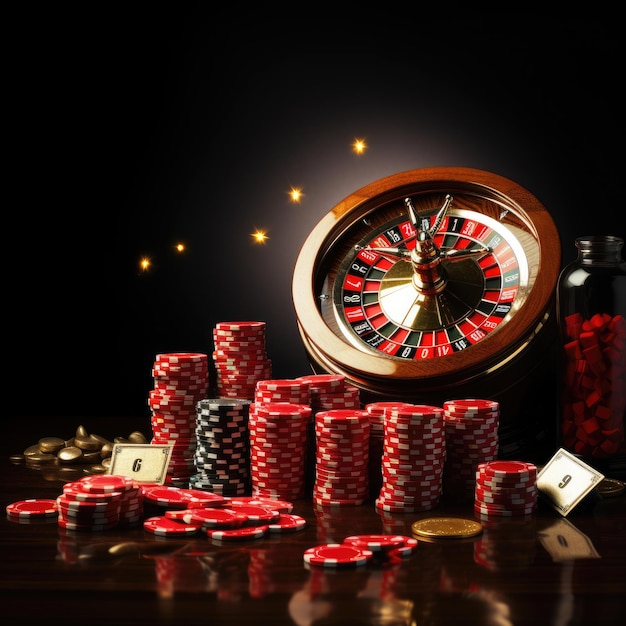
Ultimately, understanding how luck factors into the probability of winning can enhance the gaming experience. Players who appreciate the nuances between chance and odds are better equipped to make informed decisions, leading to more pleasurable and potentially rewarding gameplay. As such, the delicate relationship between luck and probability remains a vital consideration for anyone looking to engage in casino games.
The Psychology of Luck in Gambling
The influence of luck extends beyond just mathematical probabilities; it also deeply affects the psychology of gamblers. Players often form emotional attachments to their perceived luck, interpreting winning streaks as signs of favorable fortune and losing streaks as bad luck. This psychological phenomenon can lead to an addictive cycle, where individuals continue to gamble in hopes of recapturing their lucky streaks. The emotional highs associated with wins and the lows of losses create a rollercoaster experience that keeps players coming back.
Additionally, the importance of belief in luck can be observed in the ritualistic behaviors that players develop over time. From the way someone chooses to place their bets to the routines they follow when approaching a game, these habits are often rooted in the desire to harness luck. For example, poker players may have specific cards they consider lucky or certain places at the table where they feel they play best. This psychological attachment can significantly affect decision-making processes, overshadowing logical assessments of risk and reward.
Understanding the psychological implications of luck can provide insight into responsible gambling practices. Acknowledging that luck is inherently unpredictable can help players manage their expectations and emotional responses to wins and losses. This cultivated awareness encourages a healthier approach to gaming, where enjoyment is prioritized over the relentless pursuit of luck. Ultimately, recognizing the psychological intricacies surrounding luck can empower players to engage with casino games more mindfully, fostering a balanced relationship with chance-based gaming.
Strategies to Enhance Your Gaming Experience
While luck is a central theme in casino games, players can adopt strategies to enhance their overall experience while playing. One effective method is to set clear limits on both time and money. By establishing boundaries, players can manage their expectations regarding the role of luck in their outcomes. This practice not only mitigates the risk of significant losses but also encourages a more enjoyable experience, as players can focus on fun rather than financial gain alone.
Another strategy involves choosing games that align with one’s comfort level and understanding of probability. Players who are knowledgeable about specific games, such as poker or blackjack, may find that their strategic input can mitigate the randomness of luck. By taking the time to learn optimal strategies, players can navigate the balance between luck and skill more effectively. This knowledge empowers players to feel more in control of their gaming experience, reducing reliance on luck alone.
Moreover, cultivating a positive mindset can significantly affect a player’s experience in the casino. Embracing the notion that luck will ebb and flow can help individuals remain resilient in the face of losses. Players who maintain a positive outlook often enjoy their time more fully, celebrating wins without dwelling too heavily on losses. Thus, integrating mindful practices and strategic approaches can create a richer gaming experience, allowing players to enjoy the thrill of luck while minimizing its potential downsides.
Find Your Luck with Our Gaming Platform
Our gaming platform offers a wide array of experiences designed to engage both casual and experienced players. With a variety of games that balance luck and skill, we cater to all preferences. Whether you enjoy the excitement of spinning the reels on slots or the strategic complexity of table games, our platform provides opportunities for players to explore their luck in a fun, safe environment. Our commitment to responsible gaming ensures that players can enjoy themselves while keeping their wellbeing in focus.
We understand the importance of community in enhancing the gaming experience. Our platform fosters a vibrant community where players can share strategies, successes, and insights on how luck influences their outcomes. By participating in forums and discussions, players can learn from one another’s experiences, enhancing their understanding of the interplay between luck and skill in gaming. This sense of connection adds depth to the overall gaming experience, allowing players to feel supported as they explore their luck.
Join us on our gaming platform to discover how luck influences outcomes in a way that enhances your enjoyment and understanding of casino games. With responsible practices, a wide variety of games, and a supportive community, you can engage with gaming in a fulfilling way. Immerse yourself in an environment where luck can lead to memorable experiences and forged connections, all while enjoying the thrill of the game.